Home Window Tinting: Protect, Save, and Comfort
By
Daniel
Published
February 6, 2026
Read Time
4 min read
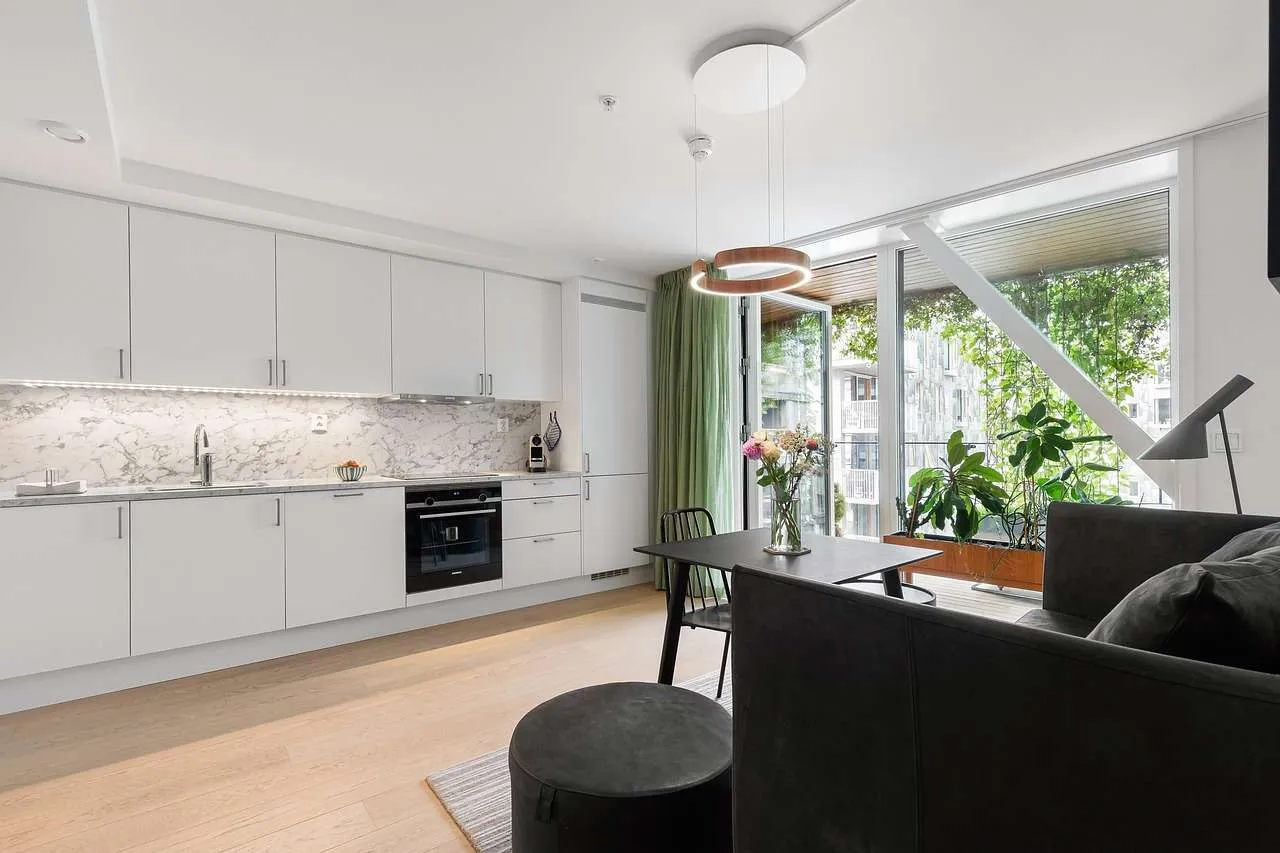
Home window tinting involves applying a thin film to the inside surface of glass. The film can be dyed, metalized, ceramic, or nano ceramic and is designed to reduce solar heat gain, block ultraviolet rays, and minimize glare while maintaining a clear view. With the right choice, homeowners gain a cooler interior, slower furniture fading, and better privacy.
What is home window tinting?
Home window tinting involves applying a thin film to the inside surface of glass. The film can be dyed, metalized, ceramic, or nano ceramic and is designed to reduce solar heat gain, block ultraviolet rays, and minimize glare while maintaining a clear view.
Types of window film
Dyed films
Dyed films are the most affordable option and provide noticeable glare reduction and a tinted look. They absorb heat but offer modest infrared rejection and ultraviolet protection. Over time the dye can fade or shift color, especially in strong sun.
Metalized films
Metalized films reflect a larger portion of heat and can deliver higher infrared rejection. They can improve comfort but may interfere with satellite or cellular signals and often require professional installation.
Ceramic films
Ceramic and nano ceramic films provide strong heat rejection without adding metallic shine. They offer excellent ultraviolet protection, high clarity, and minimal interference with electronics, making them a popular choice for modern homes.
Benefits of home window tinting
- Lower energy bills by reducing cooling load
- Improved comfort with fewer hot spots
- Better protection for furnishings from fading
- Reduced glare for screens and driving views
- Enhanced privacy while preserving visibility
Choosing film and installation tips
When choosing film, consider visible light transmittance VLT, infrared rejection, UV rejection, and warranty. A professional installer ensures proper cleaning, precise cutting, and durable adhesion. The right film improves comfort for living spaces, home offices, and large south or west facing windows.
Key installation considerations
Check window type and frame condition; avoid applying film to laminated safety glass with factory coatings unless approved. For DIY, follow manufacturer instructions and ensure clean, dry surfaces. For complex panes or high rise homes, hire a pro to protect warranties and ensure a flawless finish.
Cost and return on investment
Film prices vary by type and window size, with installation costs depending on the number of panes and labor time. Expect a range from a modest per window charge to higher premiums for premium ceramic films. ROI comes from energy savings, furniture protection, and potential warranty or tax benefits in some regions.
Film type comparison
| Film Type | VLT | IR Rejection | UV Rejection | Pros | Cons | Best For |
| Dyed | 25 60% | Moderate | High | Low cost, good glare control | Fade risk over time | Budget upgrades |
| Metalized | 40 70% | Very high | Very high | Excellent heat rejection | Signal interference risk | Hot climates |
| Ceramic | 35 70% | High | Excellent | High clarity, no metal | Higher cost | Comfort and year round use |
| Nano ceramic | 20 60% | Very high | Excellent | Balanced light and heat | Premium price | Premium homes |
Note that the table uses approximate values and varies by product line. Always verify with the manufacturer data sheet and request a sample test patch during consideration.
Maintenance and warranty
Proper maintenance extends film life. Clean with non abrasive cleaners and soft cloth; avoid ammonia or harsh solvents that can degrade layered films. Most professional films carry warranties against bubbling, peeling, or discoloration for several years, often 5 to 15 years depending on the product.
Conclusion, home window tinting offers practical advantages for comfort, energy efficiency, and protection against fading. By choosing the right film, weighing installation options, and ensuring proper maintenance, homeowners can maximize return on investment and enjoy a cooler, safer living space.